

A safe city starts with knowing your way around it. Here's how to stay confident on campus and in London.
On this page
Support is here for you
- In an emergency - call 999 if there's immediate danger. For non-emergency crime reporting, call 101 or report it online.
- On campus - Campus Security are available 24/7:
- Clerkenwell & Moorgate: 020 7040 3333 (emergency) or 020 7040 8047 (safety advice).
- Tooting: 020 7040 0909 (emergency) or 020 7040 2841 (safety advice).
- Walking home alone - call Strut Safe on 0333 335 0026 UK-wide phone line where friendly volunteers will stay on the phone with you until you get home safely. Open Thursday & Sunday 7pm-1am, Friday & Saturday 7pm-3am.
On campus
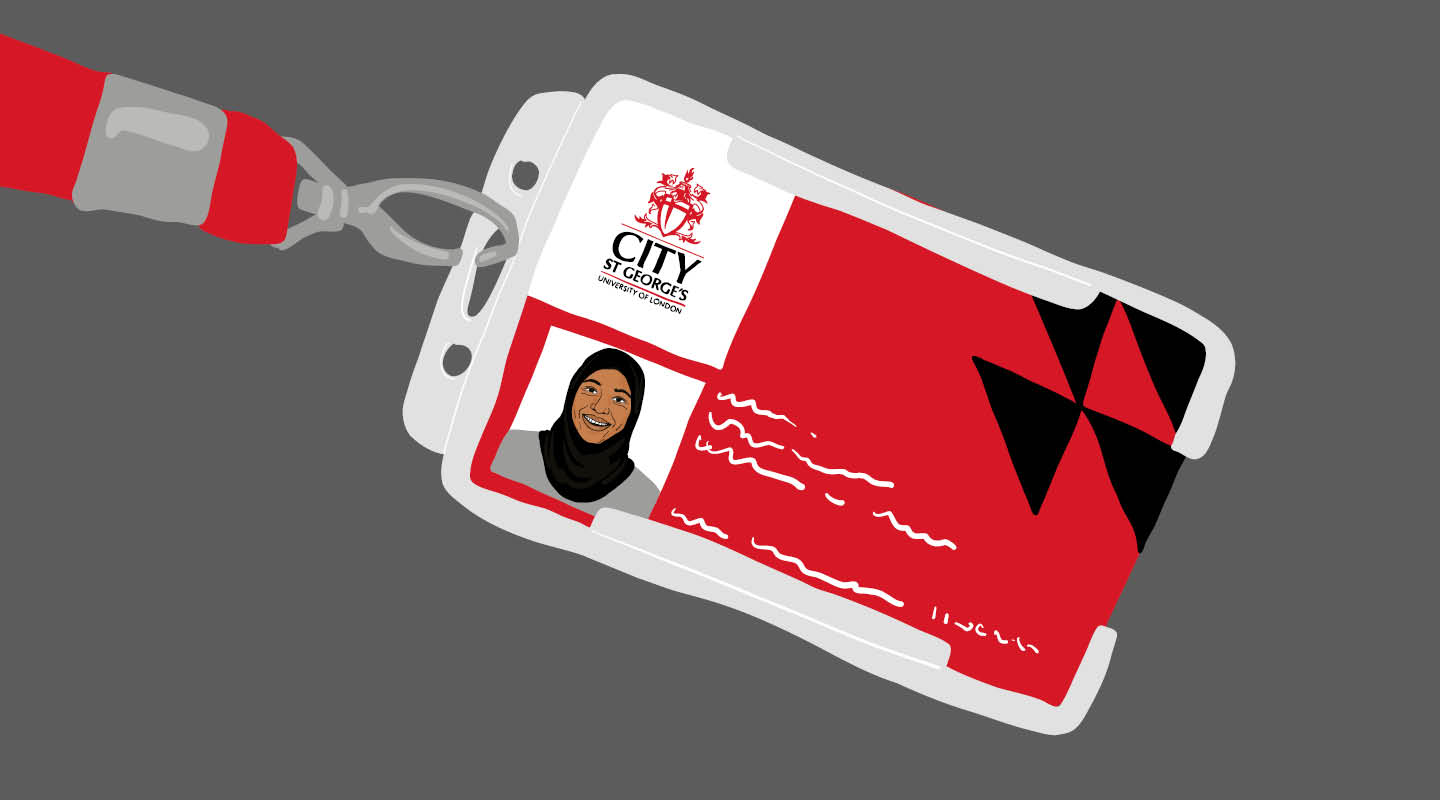
Have your University ID visible
Your University ID card is your campus essential - it shows you're part of the community and gets you into buildings without delay. All students and staff are required to carry it, and Security may ask you to present it. Find out why carrying your University ID matters.
Check visitors
Take care around controlled entrances where you need to tap in and avoid holding doors to restricted areas open for people you don't know. If you feel that a person is trying to gain entry and they don't have a University ID card on display, let a member of staff know.
Fire safety on campus
Get to know the fire emergency procedure including what to do in the event of a fire, and familiarise yourself with all available emergency exits in buildings you use and fire assembly points.
Staying late on campus
If you're staying late to study, especially during exam season, please check library closing times. When heading home at night:
- Plan your journey home in advance, go with a trusted friend if possible and make sure your phone is fully charged.
- Stick to well-lit, busy areas and main pedestrian routes, walking on the side facing oncoming traffic. Don't risk taking shortcuts through dark alleys.
- When taking public transport, please ensure to avoid isolated bus stops and empty train carriages. On the night bus, it's recommended to sit near the driver on the lower floor.
- Walking alone? Call Strut Safe, volunteers will stay on the phone until you're home.
Safety in the city
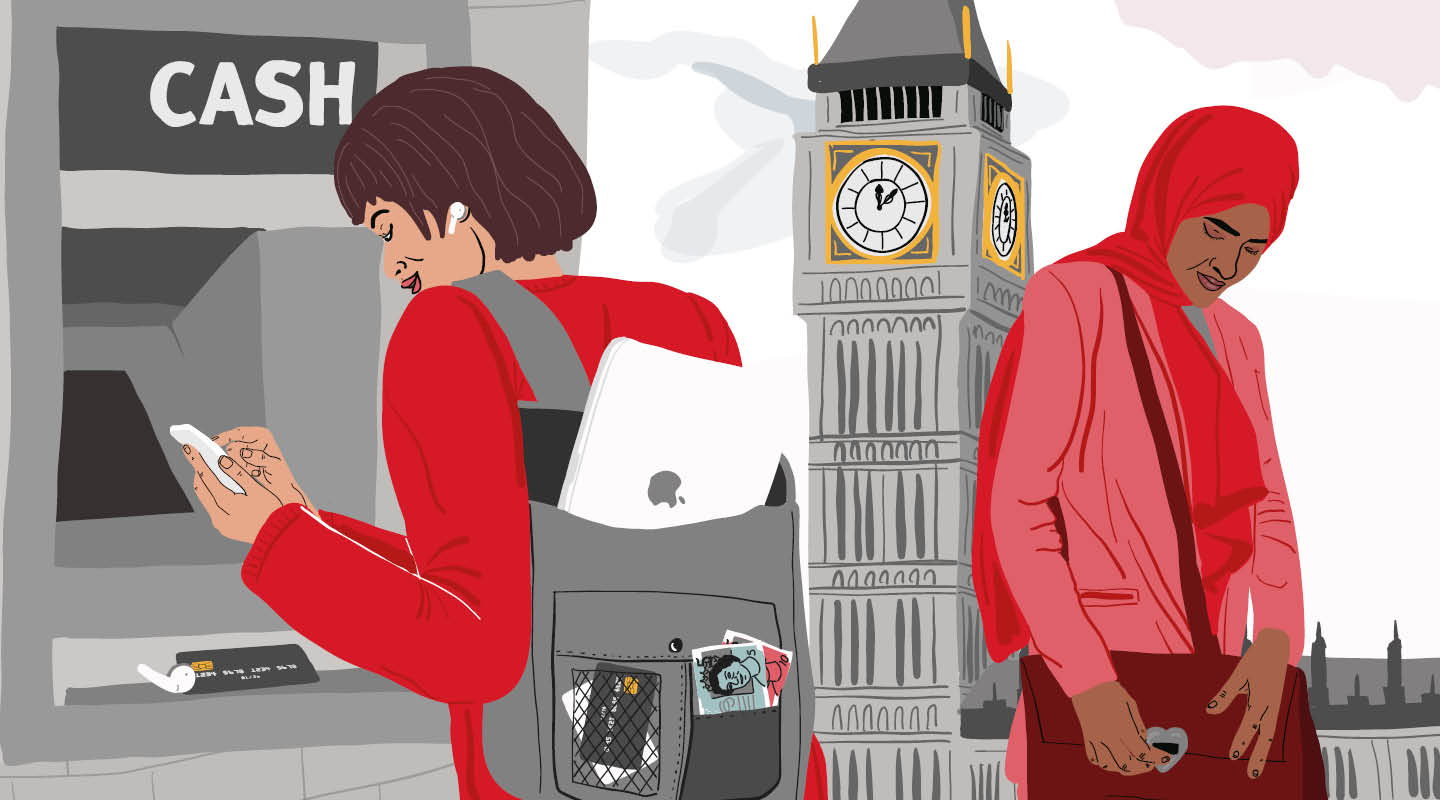
1. Stay alert
Avoid distractions like using your phone when you're out and about, so you can stay aware of what's happening around you. Keep valuables like your phone, purse, or wallet close to you and out of sight when not in use. Watch out for thieves on bikes or mopeds and make sure to avoid using ATMs at night. Find out how to stay protected against theft.
2. Plan ahead
Know where you're going and how you'll get home, whether it's day or night, so you don't get lost. Keep your phone charged and carry a spare charger if you can, and save emergency contacts (including Campus Security) in your phone. Remember, only London's famous black cabs can be hailed in the street - minicabs must be booked in advance, and it's illegal for them to pick people up without a booking. See licensed mini cab firms in your area.
3. Stay safe on nights out
Stick to well-lit, busy streets and avoid shortcuts through dark alleys when heading home. Stay with people you trust, know your limits, and never leave your drink unattended and never accept one from someone you don't know. Find out how to stay safe on a night out.
4. Find support
If you ever feel unsafe, call Campus Security for advice or the emergency number if you need help right away. Head somewhere with other people around a shop, pub, or office - and look out for venues signed up to Ask for Angela or the Safe Haven Scheme.
For more safety tips, visit the Metropolitan Police's website.
Support in the local area
If you ever feel threatened, unsafe, or just need help, these local schemes can support you.
Ask for Angela
Look out for Ask for Angela posters in bars and clubs - it means the venue is part of the scheme. If you feel unsafe, you can go to the bar and discreetly ask for Angela. Venue staff are trained to help - they can call you a taxi, help you find your friends or bring in security or the police depending on what you need.

Safe Haven Scheme
Safe Havens let you get help from local businesses when you need it. Islington Council created the scheme, working with local businesses to help you feel safer in the city. If you're ever feeling threatened, facing harassment, unwell, or just need some help, keep an eye out for the Safe Haven sign in shop windows. Staff can offer a friendly face and reassurance, and can help contact the police, your family, or friends, or give you directions
How to find safe havens
The Safe Haven map created by Islington Council, shows Safe Havens in a postcode area and safe routes covered by CCTV.
- For students on the main campus – you can use the Safe Haven Map in EC1V.
- For Bayes students in Bunhill Row and Finsbury Square area – you can use the Safe Haven Map in EC1Y.
Street Safe
Street Safe is an online tool that lets you report places in the city where you've felt unsafe. The police use this information to identify areas that need more police presence, ensuring that officers are in the right spots at the right times to take necessary action. You can report on a range of issues, for example: poorly lit streets, safety hazards or someone following you.
By reporting issues, you can play your part in helping make the community safer. Access the Street Safe Tool.
Merging City and St George’s Resources
As we bring together resources for City (Clerkenwell) and St George’s (Tooting) students, some content may be specific to one campus and not the other. For the most relevant information, try using specific keywords or exploring content related to your department. If you need help, our support teams are available to guide you.
Clerkenwell students can contact campus.news@citystgeorges.ac.uk
Tooting students can contact studentlifecentre@sgul.ac.uk.