

Celebrate how some brains work differently to others and how we can work towards being more accessible
Published Tuesday, 4th October, 2022 in University news
Dyslexia Awareness Week runs from Monday 3 October – Sunday 9 October and is an annual event to raise awareness of dyslexia and celebrate dyslexic strengths.
Organised by the British Dyslexia Association (BDA), this year’s theme is ‘Breaking Through Barriers.’ and is a reflection on the barriers that people face, while also focusing on how individuals, organisations and the education system have continued to succeed and break through these obstacles.
Here at City we want to celebrate and value the neurodiversity of our University community.
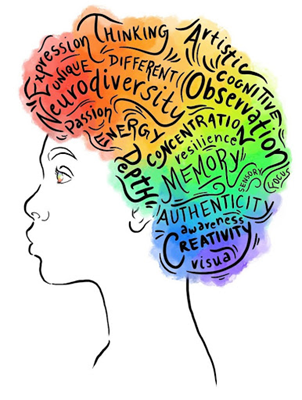
What is dyslexia?
According to the BDA, dyslexia is a neurological difference which means some people’s brains think differently to others. It can have a significant impact during education, in the workplace and in everyday life. As each person is unique, so is everyone's experience of dyslexia, but the main characteristics include:
- Irregular spelling
- Reading/writing slowly and sometimes having to re-read paragraphs
- Finding it hard to listen and maintain focus, especially if there are distractions
- Feeling sensations of mental overload/switching off
- Having difficulty telling left from right or differentiating similar words like cat and cot
- Getting confused when given several instructions at once
- Often forgetting conversations or important dates
- Having difficulty with personal organisation (including on paper), time management and prioritising tasks
- Avoiding certain types of work or study
- Finding some tasks really easy but unexpectedly challenged by others
- Having poor self-esteem, especially if dyslexic difficulties have not been identified in earlier life
It can co-occur with other learning differences. It usually runs in families and is life-long.
It is important to remember that there are positives to thinking differently. Many dyslexic people show strengths in areas such as reasoning and in visual and creative fields.
Many people who are at the top of their fields are dyslexic, for example, BBC Dragon’s Den entrepreneur, Theo Paphitis has dyslexia and sees it as a strength:
I can safely say that I wouldn’t be where I am if I weren’t dyslexic because it’s given me this ability to problem-solve, and throughout my journey, I’ve come to realise that it’s not just me saying this - many others gain huge value from the differentiation that dyslexia gives them.
How you can get involved
The BDA are particularly interested in hearing individual stories and encourage those with dyslexia to share and inspire others online. You can get involved in the conversation across Twitter, Instagram, Facebook and LinkedIn with the #DAW22. They will be re-sharing as many empowering stories about how people have broken through barriers throughout their lives.
If you are dyslexic or looking to understand how you can support those who are, then you can also check out these useful links below:
- Top 10 dyslexic hacks - Exceptional Individuals
- Dyslexia Life Hacks – Hacks, Tips and Tricks for Dyslexics by Dyslexics
- Dyslexic Students Learn Differently: Tips, Tools and Apps to Help Them Succeed
Support at City
Here are City there a lot of ways students with dyslexic can be supported and how we can all support those who are:
- CityLibrary have a range of self-help study book and guides on the topic of dyslexia as well as dedicated accessibility librarian
- Students who first contact the Student Health and Wellbeing service to make a referral and identify how best you can be supported
- City now has a tool called Blackboard Ally that allows you to access your resources on Moodle in alternative formats providing greater opportunity for everyone to access the information they need in the way they need or want it which actually benefits everyone. For example, maybe you have a lot of course material to read and get eye strain or maybe you’re an auditory learner. Listen to an audio format of the file your instructor uploaded instead.
- You can complete City’s ‘Introduction to Accessibility’ Moodle module which gives you a foundation-level introduction on topics including neurodiversity and how you can work on your digital skills to be more accessible
- All City students have free access to LinkedIn Learning which has lots of courses including on supporting neurodiversity within a community
If you have already been diagnosed with dyslexia or feel you may be dyslexic, the Disability and Neurodiversity team at City offer the following support:
- Support with transitioning to university
- Specialist advice on individual reasonable adjustments including screening and one-to-one study skills
- Help you to improve your strength awareness and develop strength-based strategies
- Advice on the use of digital tools
- Sensory breaks and strategies to help you maintain focus
- Support with looking after your well-being like ongoing check-in sessions
- Post-graduate support for doctoral students
- Planning your next steps after university
You can get in touch with the Student Health and Wellbeing service by emailing wellbeing@city.ac.uk.
For the latest disability and neurodiversity updates, you can follow the team on the SharePoint.
External organisations that offer support, information and resources:
Digital tool information and other resources:
Other sources on diagnosis and support: